
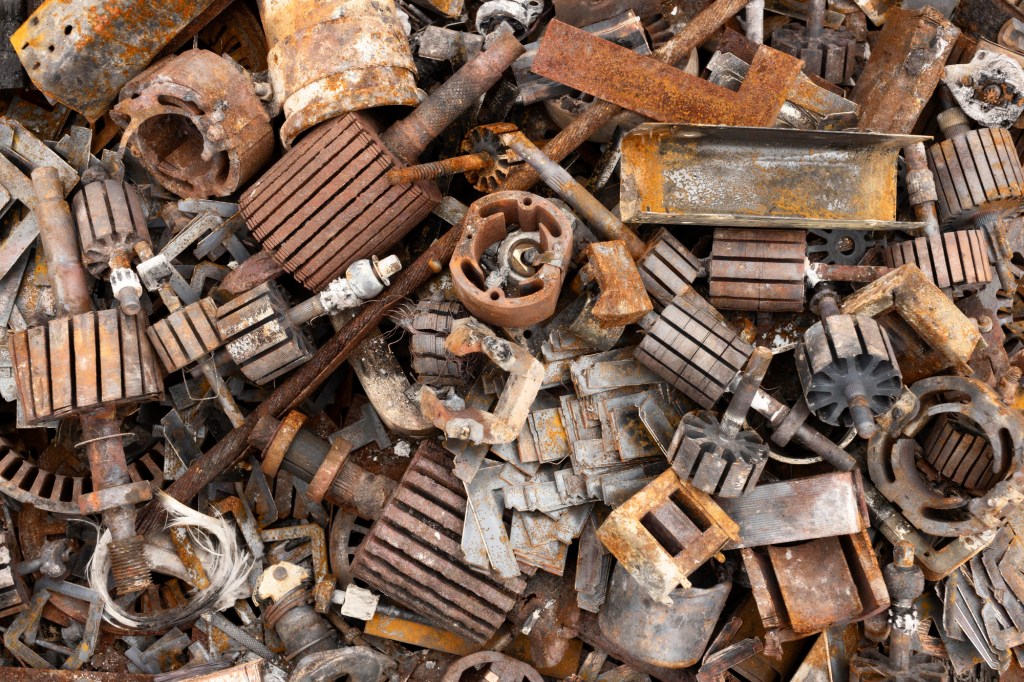
In the vast expanse of metallurgy, a distinct category of metals emerges—non-ferrous metals—shaping industries with their unique properties and applications. Departing from ferrous metals due to their absence of iron, these metals encompass a rich variety of elements and alloys, each contributing significantly to diverse sectors. This extensive exploration will intricately unravel the multifaceted world of non-ferrous metals, illuminating their extensive properties, nuanced applications, and the profound advantages they present across industries.
Understanding Non-Ferrous Metals
Non-ferrous metals constitute a wide spectrum of elements, including but not limited to copper, aluminum, lead, zinc, nickel, tin, and the esteemed group of precious metals such as gold, silver, and platinum. These metals distinguish themselves by their inherent resistance to rust, exceptional conductivity, malleability, and often, their lustrous appearance. Their significance lies in their ability to cater to specialized needs across various industries due to these distinctive traits.
Delving Deeper into their Unique Properties
- Corrosion Resistance: A Cornerstone Property
A standout attribute of non-ferrous metals is their remarkable resistance to corrosion. This innate property renders them invaluable in environments prone to moisture, acids, or other corrosive elements. For instance, aluminum, with its inherent resistance to corrosion, finds extensive application in aerospace, marine engineering, and architectural endeavors, ensuring durability and longevity even in challenging conditions. - Lightweight Marvels with High Strength
Many non-ferrous metals exhibit impressive strength-to-weight ratios, making them essential in industries where reducing weight while maintaining strength is paramount. Aluminum, celebrated for its lightweight nature, has revolutionized industries such as automotive manufacturing, significantly enhancing fuel efficiency and overall performance. - The Conductivity Powerhouse
Copper emerges as a standout among non-ferrous metals due to its unparalleled electrical conductivity. This property positions it as a fundamental element in electrical wiring, power transmission, and various electronic applications. Its efficient conduction of electricity facilitates technological advancements and infrastructure development across the globe. - The Art of Malleability and Ductility
The malleability and ductility inherent in non-ferrous metals allow them to be shaped, rolled, and formed into various intricate designs without compromising structural integrity. This characteristic versatility finds applications in architectural designs, electronics, and precision engineering.
Applications Across Industries
- Construction and Architecture: Non-ferrous metals play a pivotal role in the construction industry owing to their corrosion resistance and structural strength. For instance, aluminum, lauded for its lightweight nature and corrosion resistance, finds extensive application in facades, roofing, and window frames.
- Electrical and Electronics: Copper, known for its superior electrical conductivity, reigns supreme in electrical wiring, transformers, and printed circuit boards. Its efficiency in transmitting electrical currents remains unmatched, making it an indispensable component in the electronics industry.
- Automotive and Transportation: The introduction of aluminum into the automotive sector has revolutionized vehicle manufacturing. Its lightweight yet sturdy nature reduces vehicle weight, improving fuel efficiency. Additionally, the durability of non-ferrous metals makes them ideal for engine components and structural parts.
- Manufacturing and Aerospace: Aerospace industries rely heavily on non-ferrous metals due to their exceptional strength-to-weight ratios. Titanium, for instance, offers unparalleled strength, corrosion resistance, and heat resistance, making it a cornerstone in aircraft construction.
- Healthcare and Medical Equipment: Non-ferrous metals find extensive applications in medical devices and equipment due to their biocompatibility and resistance to corrosion. Titanium alloys, stainless steel, and precious metals are commonly used in surgical tools, implants, and diagnostic instruments.
Environmental Impact and Recyclability
One of the most significant attributes of non-ferrous metals is their recyclability. Unlike their ferrous counterparts, they can be recycled repeatedly without losing their inherent properties. Recycling non-ferrous metals not only conserves natural resources but also reduces energy consumption and minimizes environmental impact, making them a sustainable choice across industries.
Conclusion
Non-ferrous metals stand as indispensable assets across a myriad of industries, driving innovation, progress, and sustainability. Their multifaceted properties and unique advantages continue to shape technological advancements, fostering a more interconnected and sustainable global landscape.
An intricate understanding of non-ferrous metals unveils their pivotal role in shaping modern civilization, propelling innovation, and forging a path towards a sustainable future. These metals, with their versatility and inherent advantages, remain the cornerstone of progress in our evolving world.
 Escorp Commodities LLC