
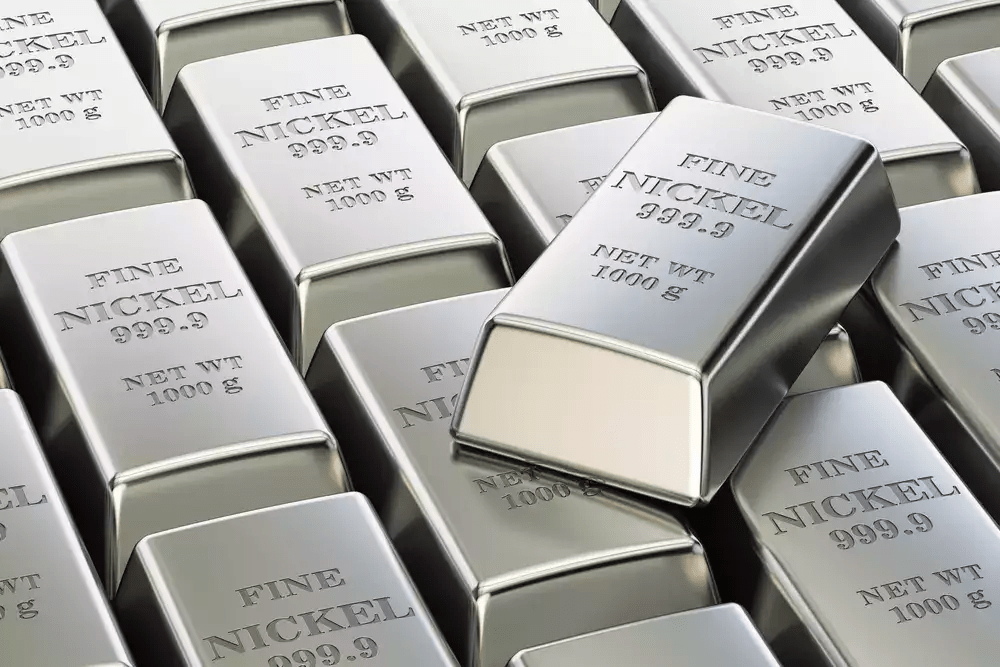
Introduction to Nickel and its Importance
Nickel, a versatile metal with unique attributes, plays a significant role in various industries. Its exceptional properties make it an indispensable material in modern applications. This article aims to provide an in-depth exploration of nickel and nickel scrap, shedding light on their journey from extraction to recycling, and their environmental and economic significance.
Understanding Nickel: Properties and Significance
Nickel possesses remarkable properties that set it apart from other metals. With excellent corrosion resistance, strength, and heat resistance, it offers unparalleled versatility for a wide range of applications. Additionally, nickel is highly ductile and malleable, allowing it to be easily shaped and molded.
The ubiquitous presence of nickel in modern industries is hard to overlook. It is extensively used in manufacturing stainless steel, which is utilized in construction, automotive, and aerospace industries. Moreover, nickel is a vital component in various alloys, including superalloys, which find applications in turbines, electrical components, and chemical processing equipment.
Nickel’s economic significance is reflected in its global demand. As an essential material for infrastructure and technological advancements, its market value remains consistently high. The demand for nickel is driven by various industries such as construction, automotive, electronics, and energy. The ever-increasing need for sustainable energy solutions further amplifies the importance of nickel in the global market.
Mining and Extraction Processes
- Nickel Mining Techniques: Unveiling the Earth’s Riches
Nickel mining involves extracting the metal from ore deposits, which are found in different geological formations. There are several mining techniques employed to uncover nickel reserves, including open-pit mining, underground mining, and strip mining. Each method varies depending on the specific characteristics of the deposit and environmental considerations.
- Primary and Secondary Extraction Methods
Primary extraction refers to the direct extraction of nickel from naturally occurring ores. This process involves crushing, grinding, and separating the ore to obtain pure nickel concentrates. On the other hand, secondary extraction involves the recovery of nickel from recycled materials such as nickel scrap. This method reduces the reliance on primary sources and promotes sustainability in the industry.
- Environmental Impacts and Sustainability Concerns
While nickel mining provides valuable resources, it also raises environmental concerns. The extraction process can result in habitat destruction, soil erosion, and water pollution. To mitigate these impacts, mining companies implement various sustainability measures such as reclamation and water treatment systems. Additionally, increasing focus on recycling and reducing reliance on primary sources contributes to a more sustainable nickel industry.
Nickel Production and Processing
- Primary Nickel Production: From Ore to Electrolytic Refining
Primary nickel production involves converting nickel concentrates into refined nickel. The ore goes through processes like smelting, converting, and refining to remove impurities and obtain high-purity nickel. Electrolytic refining is a crucial step that utilizes electrolysis to produce pure nickel metal, ready for further processing or alloying.
- Secondary Nickel Production: The Role of Nickel Scrap
Secondary nickel production plays a pivotal role in the industry, making use of nickel scrap. Nickel scrap refers to discarded nickel-containing materials, including industrial waste, used nickel-based products, and end-of-life components. These materials, instead of being discarded, are recycled to recover valuable nickel. The integration of secondary production reduces environmental impact and conserves natural resources.
- Alloys and Stainless Steel: Transforming Nickel’s Potential
One of the key applications of refined nickel is in alloying. Nickel forms alloys with a wide range of elements, enhancing their properties and expanding their applications. Stainless steel, a nickel alloy, is renowned for its corrosion resistance and durability. It finds extensive use in construction, transportation, and household appliances. Nickel’s ability to transform the properties of alloys contributes to the development of innovative materials across multiple industries.
Discovering the World of Nickel Scrap
Nickel scrap plays a crucial role in the recycling and sustainability efforts of the nickel industry. Understanding the definition, sources, and collection processes of nickel scrap provides valuable insight into its environmental and economic benefits.
Understanding Nickel Scrap
- Definition and Classification of Nickel Scrap
Nickel scrap encompasses various materials that contain nickel, including scraps from manufacturing processes, end-of-life products, and discarded electronic components. It is classified based on the form and composition of the scrap, which can range from solids to powders, and from pure nickel to nickel alloys.
- Sources and Generation of Nickel Scrap
Nickel scrap is generated from a multitude of sources. Manufacturing processes, such as metal fabrication and machining, generate industrial waste that contains nickel. Additionally, end-of-life products, including appliances, vehicles, and infrastructure, contribute to the accumulation of nickel-containing scrap. The growing use of electronics and the rapid turnover of electronic devices further adds to the generation of nickel-containing electronic scrap.
- Importance of Nickel Scrap: Environmental and Economic Benefits
The recycling of nickel scrap offers significant environmental and economic advantages. By diverting scrap from landfills, recycling reduces the need for primary extraction, conserving natural resources and reducing environmental impact. Moreover, recycling nickel scrap saves energy compared to primary production methods. Economically, the recycling industry creates job opportunities and stimulates economic growth while providing a sustainable source of nickel.
Scrap Collection and Sorting Processes
- Nickel Scrap Collection: From Industrial Waste to Valuable Resource
Collecting nickel scrap involves systematic approaches to identify and retrieve potential sources of scrap. Industries implement waste management systems to segregate and collect nickel-containing waste materials. Efficient collection practices ensure that valuable nickel scrap does not go to waste and is redirected to recycling facilities.
- Sorting Techniques for Efficient Scrap Management
Sorting techniques play a crucial role in managing nickel scrap efficiently. Different types of scrap need to be identified, sorted, and categorized according to their composition. Techniques such as magnetic separation, eddy current separation, and density-based sorting methods help optimize the sorting process, ensuring that the maximum value is extracted from the nickel scrap.
- Challenges and Innovations in Scrap Collection
Collecting nickel scrap poses certain challenges, primarily related to the identification and separation of nickel-containing materials. Contamination with other metals and materials further complicates the collection process. However, innovative technologies, such as advanced sorting machines and spectroscopy-based identification systems, are continuously being developed to enhance the efficiency and accuracy of scrap collection.
Nickel Scrap Recycling Technologies
- Mechanical Processes: Crushing, Shredding, and Sorting
Mechanical processes form the initial stage of nickel scrap recycling. Scrap materials are crushed and shredded to reduce their size, making them more manageable for subsequent processing. Sorting techniques are then applied to separate the shredded materials based on their composition.
- Thermal Technologies: Pyrometallurgical and Hydrometallurgical Methods
Thermal technologies are employed to refine nickel scrap into reusable materials. Pyrometallurgical methods involve high-temperature processes, such as smelting, to extract and refine nickel. Hydrometallurgical methods, on the other hand, utilize chemical solutions to dissolve and recover nickel from the scrap. Both approaches ensure the efficient recovery of nickel from the scrap, ready for further processing or alloying.
- Environmental Considerations and Sustainable Practices
Recycling nickel scrap aligns with sustainable practices as it reduces the environmental impact associated with primary extraction. By reusing scrap materials, the demand for primary nickel is reduced, leading to energy conservation and lower carbon emissions. Additionally, recycling reduces the accumulation of nickel-containing waste in landfills, contributing to a cleaner and more sustainable environment.
Market Dynamics and Applications of Nickel Scrap
Understanding the market dynamics and applications of nickel scrap provides valuable insights into its potential growth, challenges, and the emerging opportunities within the industry.
Global Nickel Scrap Market Trends
- Analysis of Key Market Drivers and Constraints
The demand for nickel scrap is influenced by various factors, including economic growth, infrastructure development, and the automotive industry’s expansion. Market drivers such as urbanization and the pursuit of sustainable practices contribute to the growth of the nickel scrap market. Conversely, constraints such as price volatility, regulatory challenges, and supply chain disruptions can impact market dynamics.
- Trade Patterns and Major Players in the Nickel Scrap Industry
The global trade patterns of nickel scrap play a significant role in shaping the market dynamics. Different regions have varying levels of nickel scrap generation and recycling capabilities. Major players in the industry include recycling companies, stainless steel manufacturers, and alloy producers. Their strategies and investments influence market trends and the overall growth of the nickel scrap industry.
- Price Fluctuations and Market Outlook
Price fluctuations in the nickel scrap market are influenced by multiple factors, including supply and demand dynamics, marketable purity, and global economic conditions. Monitoring these fluctuations is essential for market participants to make informed decisions. The market outlook for nickel scrap is optimistic, as the demand for sustainable materials continues to rise, generating opportunities for growth and innovation in the industry.
Industry Applications of Nickel Scrap
- Stainless Steel Production: The Dominant Use of Nickel Scrap
Stainless steel production is the primary application for nickel scrap. The addition of nickel to steel enhances its corrosion resistance, strength, and heat resistance. As a result, stainless steel has become a staple material in various industries, including construction, transportation, and food processing. Nickel scrap is a valuable source of nickel for stainless steel manufacturers, reducing the dependence on primary nickel production.
- Nickel-Based Alloys: Expanding Applications in Diverse Sectors
Nickel-based alloys have gained prominence in diverse sectors due to their exceptional properties. These alloys find applications in aerospace, power generation, chemical processing, and medical industries, among others. Nickel scrap serves as a valuable resource for the production of nickel-based alloys, providing a sustainable and cost-effective alternative to primary nickel.
- Emerging Uses and Future Potential of Nickel Scrap
As industries continue to explore sustainable alternatives, nickel scrap holds potential for emerging applications. Research and development efforts are focused on utilizing nickel scrap in areas such as battery technologies, renewable energy systems, and additive manufacturing. The diverse properties of nickel make it a versatile material, offering immense possibilities for innovation and growth in the future.
Challenges and Opportunities in Nickel Scrap Industry
- Quality Control and Contamination Issues
Maintaining the quality of recycled nickel scrap is crucial for its successful integration into manufacturing processes. Contamination with other metals and impurities is a prominent challenge that needs to be addressed. Implementing stringent quality control measures and advanced sorting technologies can help mitigate these issues.
- Regulatory Frameworks and Waste Management Policies
The nickel scrap industry operates within the framework of various regulations and waste management policies. Compliance with environmental regulations and waste disposal guidelines is essential for sustainable operations. Governments and organizations continue to enact policies that promote recycling and ensure the safe handling of nickel-containing waste materials.
- Innovations and Technologies Shaping the Future of Nickel Scrap
The nickel scrap industry is witnessing continuous innovations and advancements in recycling technologies. Investment in research and development has led to the development of more efficient and environmentally friendly processes. Emerging technologies, such as advanced sorting algorithms and enhanced refining methods, are shaping the future of nickel scrap, making recycling more economically viable and sustainable.
Summing Up the Journey: Key Takeaways
In conclusion, nickel and nickel scrap play vital roles in the modern industrial landscape. Nickel’s exceptional properties make it a versatile material that finds applications in various industries, from stainless steel production to the development of innovative alloys. Nickel scrap holds immense environmental and economic value, as recycling reduces the reliance on primary extraction and conserves natural resources. Efficient collection, sorting, and recycling technologies contribute to the sustainability and growth of the nickel scrap industry. Despite challenges, the industry is poised for future growth, driven by emerging applications and the pursuit of sustainable practices.
Frequently Asked Questions
A. What is the difference between primary and secondary nickel production?
Primary nickel production involves extracting nickel from naturally occurring ores through processes like smelting and refining. Secondary nickel production utilizes recycling techniques to recover nickel from recycled materials, such as nickel scrap. This reduces the dependence on primary sources and promotes sustainability in the industry.
B. How can nickel scrap be collected and sorted efficiently?
Nickel scrap collection involves implementing waste management systems to identify and retrieve potential sources of scrap. Sorting techniques, such as magnetic separation and density-based sorting, help optimize the collection process by categorizing the scrap based on its composition.
C. What are the main challenges in the nickel scrap industry?
Some of the main challenges in the nickel scrap industry include maintaining quality control to prevent contamination, complying with regulatory frameworks and waste management policies, and addressing technological advancements that streamline the recycling process. Additionally, overcoming price fluctuations and ensuring a consistent supply of nickel scrap are ongoing challenges.
D. What are the emerging applications for nickel scrap?
Emerging applications for nickel scrap include battery technologies, renewable energy systems, and additive manufacturing. Researchers are exploring ways to utilize nickel scrap in innovative ways to meet the growing demand for sustainable materials and technologies.
E. How is the market for nickel scrap expected to evolve in the future?
The market for nickel scrap is poised for growth, driven by the increasing demand for sustainable materials and recycling practices. Technological advancements in collection, sorting, and recycling processes will further streamline operations and make the industry more economically viable. Emerging applications, such as battery technologies, will also contribute to the market’s evolution, creating new opportunities for the nickel scrap industry.
About Escorp Commodities LLC: Upholding Transparency and Compliance
Escorp Commodities LLC, a trusted name in the metal trading industry, maintains a steadfast commitment to transparency, integrity, and compliance. Our company adheres rigorously to Anti-Money Laundering (AML) policies and practices, ensuring strict compliance with global regulations. Upholding ethical business practices, we prioritize transparency and accountability in all our transactions.
Contact Us for Your Metal Trading Needs
For inquiries, metal trading opportunities, or to learn more about Escorp Commodities LLC:
📧 Email: escorpcommoditiesllc@gmail.com
📞 Phone: +971-50-357-8020
Connect with us to explore comprehensive metal trading solutions and experience our commitment to integrity and excellence.
 Escorp Commodities LLC