
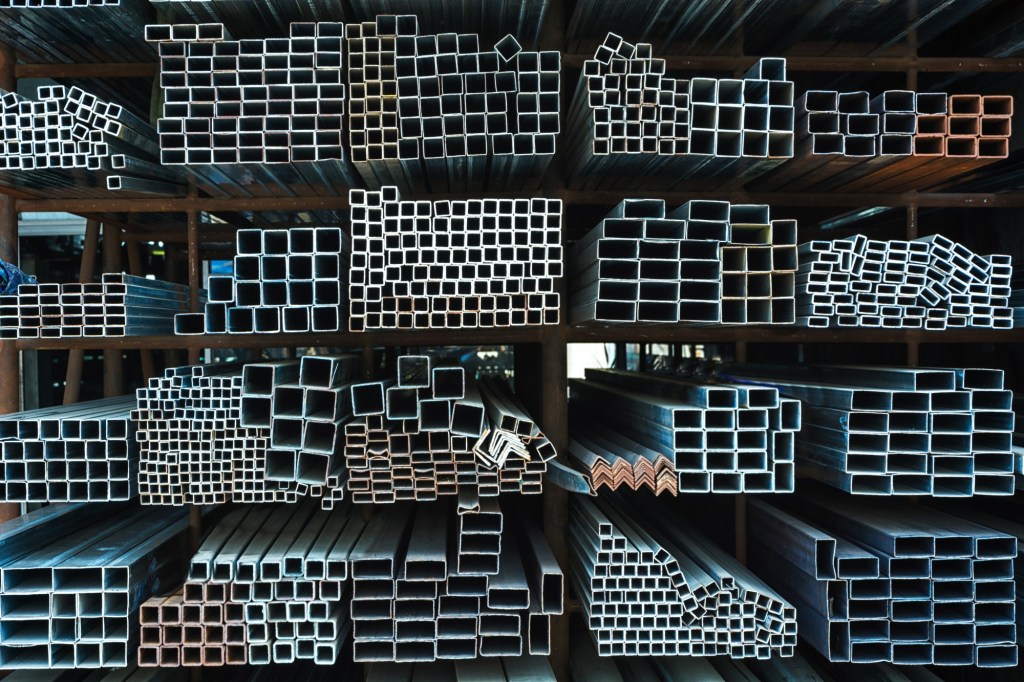
In the expansive realm of metallurgy, non-ferrous metals stand as pillars of innovation and versatility, offering a spectrum of unique properties that drive progress across industries. Among these, aluminum, copper, zinc, and tin emerge as quintessential metals, each boasting distinct attributes and multifaceted applications that shape modern technologies and infrastructure.
Characteristics of Non-Ferrous Metals:
- Conductivity and Versatility: Non-ferrous metals like copper and aluminum boast exceptional electrical and thermal conductivity, making them fundamental in electrical wiring, heat exchangers, and various electronic devices. Their versatility allows them to be easily shaped, forged, and machined for multiple applications.
- Corrosion Resistance: Zinc and aluminum showcase remarkable resistance to corrosion, contributing significantly to galvanization and protective coatings in industries such as construction, automotive manufacturing, and infrastructure development.
- Strength and Durability: Non-ferrous metals exhibit commendable strength-to-weight ratios, making them ideal for applications where lightweight yet robust materials are required. Alloys like titanium offer exceptional strength, durability, and resistance to extreme temperatures, making them crucial in aerospace and medical industries.
- Recyclability and Sustainability: A hallmark feature of non-ferrous metals is their high recyclability. They can be melted and reprocessed multiple times without losing their inherent properties, contributing to sustainable practices and circular economies.
Uses and Applications of Non-Ferrous Metals:
- Aluminum: Widely utilized in aerospace, automotive, construction, and packaging industries due to its lightweight nature, corrosion resistance, and malleability. From aircraft components to beverage cans, its applications are diverse and far-reaching.
- Copper: Known for its excellent conductivity, copper finds extensive use in electrical wiring, motors, transformers, and plumbing. Its antimicrobial properties also make it ideal for healthcare applications.
- Zinc: Primarily used in galvanization to protect steel from corrosion. It’s also essential in battery production, die-casting, and as an alloying agent in industries such as automotive and construction.
- Tin: Valued for its corrosion-resistant properties, tin is commonly used in plating and coating metals to prevent oxidation. It’s also crucial in soldering applications and in food packaging to ensure product safety.
Advantages of Non-Ferrous Metals:
- Diversity and Versatility: The wide range of non-ferrous metals offers options for specific applications across industries, catering to various needs based on their unique properties.
- Durability and Longevity: Many non-ferrous metals boast durability, ensuring prolonged service life even in challenging environments, contributing to reduced maintenance costs.
- Recyclability and Sustainability: Their recyclable nature supports environmentally friendly practices, reducing the need for mining new resources and minimizing environmental impact.
Aluminum: The Lightweight Wonder
Facts About Aluminum:
- Low Density and Lightweight: Aluminum’s low density renders it lightweight yet remarkably strong, making it an ideal material for various applications where weight is a critical factor.
- Exceptional Corrosion Resistance: Its natural oxide layer grants impressive resistance to corrosion, ensuring durability in diverse environmental conditions.
- Versatile Applications: Widely employed in aerospace, automotive, construction, packaging, and electrical industries due to its versatility and recyclability.
Copper: The Conduit of Energy
Facts About Copper:
- Unparalleled Electrical Conductivity: Copper reigns supreme in electrical conductivity, making it indispensable in electrical wiring, motors, transformers, and telecommunications infrastructure.
- Malleability and Ductility: Its malleability allows it to be shaped into intricate forms, while its ductility enables it to endure bending and forming processes, expanding its usability across industries.
- Durability and Sustainability: Known for its longevity, recyclability, and antimicrobial properties, copper maintains its allure in sustainable applications across sectors.
Zinc: The Protective Shield
Facts About Zinc:
- Corrosion Resistance and Galvanization: Zinc’s ability to form a protective layer against corrosion makes it a preferred choice for galvanizing steel, serving as a shield against rust.
- Alloy Strength and Versatility: Used as an alloying agent, zinc enhances the strength and corrosion resistance of metals, contributing to diverse applications in automotive, construction, and battery production.
- Health and Nutrition: Apart from industrial use, zinc finds importance in human health as an essential dietary mineral and in pharmaceutical applications.
Tin: The Preservative Metal
Facts About Tin:
- Corrosion Resistance in Coating: Tin’s innate ability to resist corrosion makes it an ideal material for plating and coating, protecting other metals from oxidation and deterioration.
- Soldering and Alloying: Its low melting point and ability to create strong bonds make tin pivotal in soldering applications and in creating alloys with other metals.
- Food Safety and Packaging: Due to its inert nature, tin is widely used in food packaging, ensuring product safety and preventing reactions between food and container materials.
Conclusion: Harnessing the Potential of Non-Ferrous Metals
Aluminum, copper, zinc, and tin represent a testament to the remarkable diversity and utility of non-ferrous metals. Their unique properties and versatility propel advancements across myriad industries, contributing significantly to technological innovations, infrastructure development, and everyday conveniences.
As we continue to explore the boundless capabilities of non-ferrous metals, their enduring role as the cornerstone of modern advancements remains unwavering.
About Escorp Commodities LLC: Upholding Transparency and Compliance
Escorp Commodities LLC, a trusted name in the metal trading industry, maintains a steadfast commitment to transparency, integrity, and compliance. Our company adheres rigorously to Anti-Money Laundering (AML) policies and practices, ensuring strict compliance with global regulations. Upholding ethical business practices, we prioritize transparency and accountability in all our transactions.
Contact Us for Your Metal Trading Needs
For inquiries, metal trading opportunities, or to learn more about Escorp Commodities LLC:
📧 Email: escorpcommoditiesllc@gmail.com
📞 Phone: +971-50-357-8020
Connect with us to explore comprehensive metal trading solutions and experience our commitment to integrity and excellence.
 Escorp Commodities LLC