
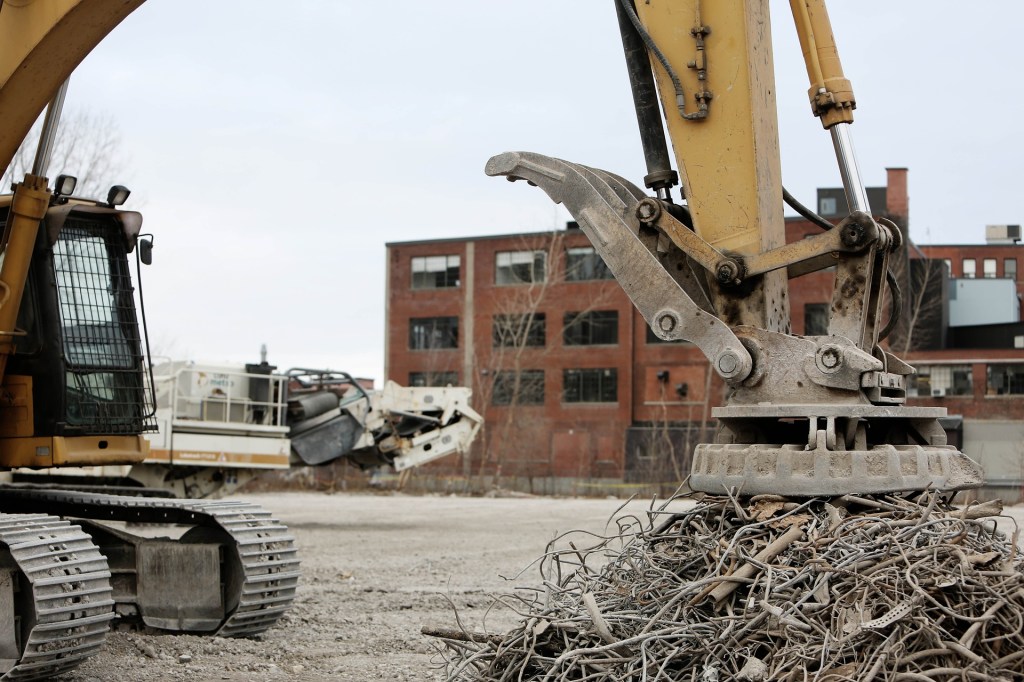
Introduction to Metal Scrapping
Metal scrapping plays a crucial role in shaping a sustainable future by contributing to resource conservation, reducing energy consumption, and minimizing environmental impacts. In this article, we will delve into the definition and purpose of metal scrapping, explore its historical significance, and examine the environmental impacts of metal extraction.
Definition and Purpose of Metal Scrapping
Metal scrapping refers to the process of collecting, sorting, and recycling various types of metal waste. This practice aims to recover valuable metals from discarded items and industrial byproducts, redirecting them back into the production cycle. By doing so, metal scrapping reduces the need for primary metal extraction, conserves resources, and promotes a circular economy.
Historical Significance of Metal Scrapping
Metal scrapping has a rich history that dates back centuries. During times of war and economic turmoil, the importance of metal scrapping becomes even more evident. In both World Wars, scrap metal played a crucial role in supplying materials for weapons and infrastructure. Recycling drives were organized, encouraging citizens to contribute to the war effort through metal scrapping. These efforts not only showcased the economic and environmental value of metal scrapping but also fostered a sense of community engagement and resilience.
Environmental Impacts of Metal Extraction
The extraction of metals from their ores often involves intensive mining operations that have significant environmental consequences. Mining leads to deforestation, habitat destruction, and the release of harmful chemicals into the environment. Additionally, the energy-intensive processes used to extract, refine, and transport metals contribute to greenhouse gas emissions. Metal scrapping offers an alternative to primary metal extraction, reducing the environmental footprint and preserving natural resources.
Economic Benefits of Metal Scrapping
Metal scrapping not only brings about positive environmental outcomes but also provides significant economic benefits. Let’s explore how metal scrapping contributes to job creation, influences market dynamics, and promotes cost savings and resource efficiency.
Job Creation and Economic Stimulus
Metal scrapping generates employment opportunities at various stages of the recycling process. From collection to sorting and processing, the industry requires a skilled workforce, creating both direct and indirect jobs. By prioritizing metal scrapping, governments and businesses can stimulate economic growth, support local communities, and foster sustainable development.
Value and Market Dynamics of Scrap Metal
Scrap metal has tangible economic value, driven by market demand and fluctuations in global metal prices. The value of scrap metal is determined by factors such as quality, quantity, and market conditions. Well-established scrap metal markets enable the efficient flow of materials, providing opportunities for businesses to trade, invest, and innovate. By participating in the scrap metal market, individuals and industries contribute to a flourishing industry that drives economic growth.
Cost Savings and Resource Efficiency
Metal scrapping offers significant cost savings for industries utilizing recycled metals. Compared to virgin metal production, recycling metal requires less energy and fewer resources. By utilizing recycled metals, businesses can reduce production costs, enhance resource efficiency, and gain a competitive edge. Moreover, metal scrapping prevents the depletion of finite resources, ensuring their availability for future generations.
Environmental Benefits of Metal Scrapping
Metal scrapping plays a vital role in mitigating environmental challenges by reducing energy consumption, curbing carbon emissions, and minimizing landfill waste and pollution. Let’s explore the environmental benefits of metal scrapping in more detail.
Reduction of Energy Consumption and CO2 Emissions
The recycling process requires significantly less energy compared to primary metal production. This reduction in energy consumption translates to lower carbon dioxide (CO2) emissions, contributing to efforts to combat climate change. By choosing to recycle metals through the scrapping process, individuals and industries can reduce their carbon footprint and contribute to a more sustainable future.
Preserving Finite Natural Resources
Metal extraction depletes finite natural resources. By embracing metal scrapping, we can alleviate pressure on these resources by reusing and recycling metals. This process preserves the Earth’s valuable resources for future generations, ensuring their availability for a sustainable and thriving planet.
Minimizing Landfill Waste and Pollution
When metal waste is disposed of in landfills, it contributes to pollution and poses environmental hazards. Metal scrapping mitigates these risks by diverting scrap metal from landfills and redirecting it towards recycling facilities. By doing so, we minimize landfill waste, prevent pollution, and reduce the need for additional landfill space.
Social Relevance of Metal Scrapping
Metal scrapping extends beyond economic and environmental benefits. Its social relevance lies in community engagement, public health, and safety, as well as its contribution to a circular economy and sustainable development.
Community Engagement and Inclusion
Metal scrapping encourages community involvement and inclusivity. Recycling drives, community initiatives, and educational programs create a sense of shared responsibility in preserving the environment. Individuals and communities actively participating in metal scrapping contribute to a collective effort towards a sustainable future, fostering a sense of unity and collaboration.
Enhancing Public Health and Safety
Metal scrapping plays a crucial role in enhancing public health and safety. By diverting metal waste from landfills, we reduce the risk of toxic substances leaching into the soil and groundwater, safeguarding public health. Additionally, recycling scrap metal ensures proper disposal and minimizes the hazards associated with abandoned or improperly stored waste materials.
Promoting Circular Economy and Sustainable Development
Metal scrapping is an integral part of the circular economy, where resources are reused, recycled, and repurposed. By incorporating metal scrapping into our daily practices, we promote a sustainable and regenerative economy. This transition towards a circular economy fosters innovation, reduces waste generation, and supports sustainable development goals.
Challenges and Solutions in Metal Scrapping
While metal scrapping offers numerous benefits, it is not without its challenges. Addressing these challenges requires innovative solutions, effective regulations, and increased awareness within society.
Illegal Scrap Trade and Regulatory Issues
One of the significant challenges in metal scrapping is the presence of illegal scrap trade. This illicit activity poses risks such as theft, environmental damage, and loss of revenue for legitimate recyclers. Governments must enforce strict regulations and collaborate with law enforcement agencies to curb illegal scrap trade effectively. By doing so, we can ensure a fair and transparent market for scrap metal and promote responsible recycling practices.
Technological Innovations in Scrap Processing
Advancements in technology play a vital role in enhancing the efficiency and effectiveness of metal scrapping. Innovations such as automated sorting systems, advanced separation techniques, and improved metal recovery methods optimize the recycling process. By investing in research and development, we can unlock the full potential of technological advancements, making metal scrapping more accessible, efficient, and environmentally friendly.
Education and Outreach for Effective Metal Scrapping
Educating individuals, businesses, and communities about the importance of metal scrapping is crucial for its widespread adoption. Outreach programs, awareness campaigns, and educational initiatives can empower individuals with the knowledge and tools needed to participate actively in metal scrapping efforts. By fostering a culture of sustainability and promoting responsible waste management, we can ensure the continued success and growth of the metal scrapping industry.
Summary
In summary, metal scrapping holds immense significance for a sustainable future. By understanding its definition, historical importance, economic benefits, and environmental impacts, we can appreciate its role in conserving resources, reducing energy consumption, and minimizing pollution. Furthermore, metal scrapping fosters community engagement, enhances public health and safety, and promotes the transition towards a circular economy.
Key Takeaways for Individuals and Industries
- Embrace the practice of metal scrapping to contribute to a sustainable future.
- Recognize the economic benefits, such as job creation and cost savings, that metal scrapping offers.
- Understand the environmental impacts of metal extraction and the role metal scrapping plays in reducing them.
- Actively participate in community initiatives and outreach programs to promote metal scrapping and its social relevance.
- Support technological advancements and advocate for effective regulations to overcome challenges in metal scrapping.
Future Outlook and Opportunities in Metal Scrapping
The future of metal scrapping looks promising, with increasing awareness and emphasis on sustainability. As the world shifts towards a circular economy, the demand for recycled metals will continue to grow. This presents opportunities for individuals, businesses, and governments to innovate, invest in the metal scrapping industry, and shape a sustainable future through responsible recycling practices.
Remember, metal scrapping is not just about recycling waste; it carries the potential to transform our world and pave the way for a greener, more sustainable future. So, let’s join hands and unlock the full potential of metal scrapping, one scrap at a time.
About Escorp Commodities LLC: Upholding Transparency and Compliance
Escorp Commodities LLC, a trusted name in the metal trading industry, maintains a steadfast commitment to transparency, integrity, and compliance. Our company adheres rigorously to Anti-Money Laundering (AML) policies and practices, ensuring strict compliance with global regulations. Upholding ethical business practices, we prioritize transparency and accountability in all our transactions.
Contact Us for Your Metal Trading Needs
For inquiries, metal trading opportunities, or to learn more about Escorp Commodities LLC:
📧 Email: escorpcommoditiesllc@gmail.com
📞 Phone: +971-50-357-8020
Connect with us to explore comprehensive metal trading solutions and experience our commitment to integrity and excellence.
 Escorp Commodities LLC